Why society’s logic on car‑free zones makes sense, and why individuals protest
Across London and Dublin, cities are radically rethinking how space, mobility, and liveability intersect. The shift toward car‑less or car‑free zones is accelerating. At a societal level, based on civic participation, the rationale is solid: cleaner air, safer streets, quieter neighbourhoods, and more space for people and houses instead of space for cars.
Cities establish a variety of regulations, with clear communications to make relevant efforts and their impacts as transparent as possible. These regulations to enhance urban liveability can include bans on transit traffic, car‑free residential areas, reducing on‑street parking, more pedestrian areas, and more bicycle lanes.
And yet, when regulations take effect, individual resistance often rises sharply. This tension between collective benefit and personal inconvenience is not only expected — it is central to any transition that affects long‑established habits.
Hereafter, we explore the societal logic driving car‑free policies, the emotional realities experienced at the individual level, and how a balanced, constructive approach can help cities remain both liveable and economically viable.
1. The societal rationale: why car‑free zones work
A. Liveability improves when car dominance declines
Research and mobility strategies consistently show that reducing the dominance of cars and car‑movements frees up enormous amounts of space for public life. In cities like London and Dublin, sustainable mobility plans — including car‑free zones and cycling networks — have demonstrably reduced emissions and enhanced liveability.
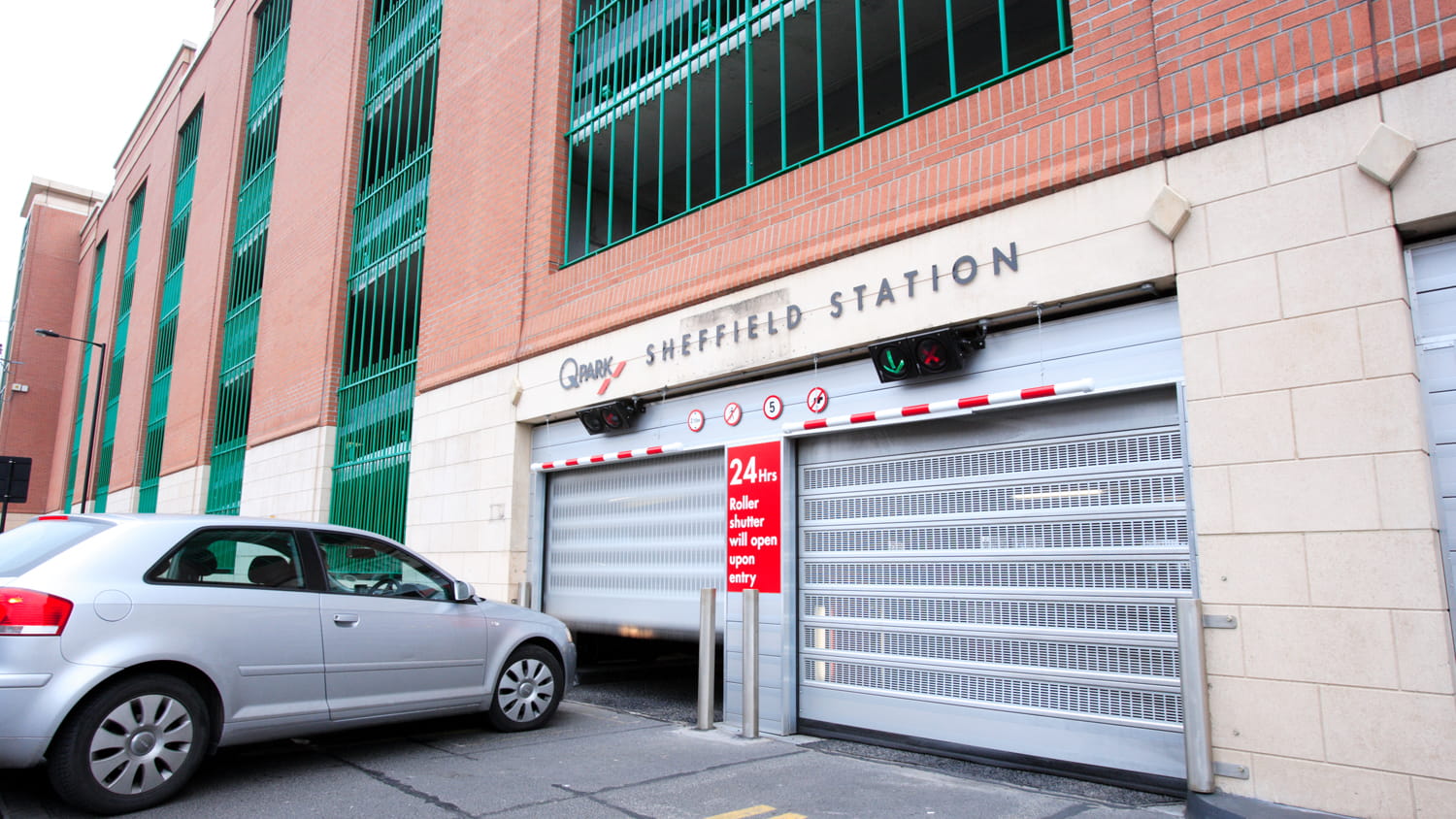
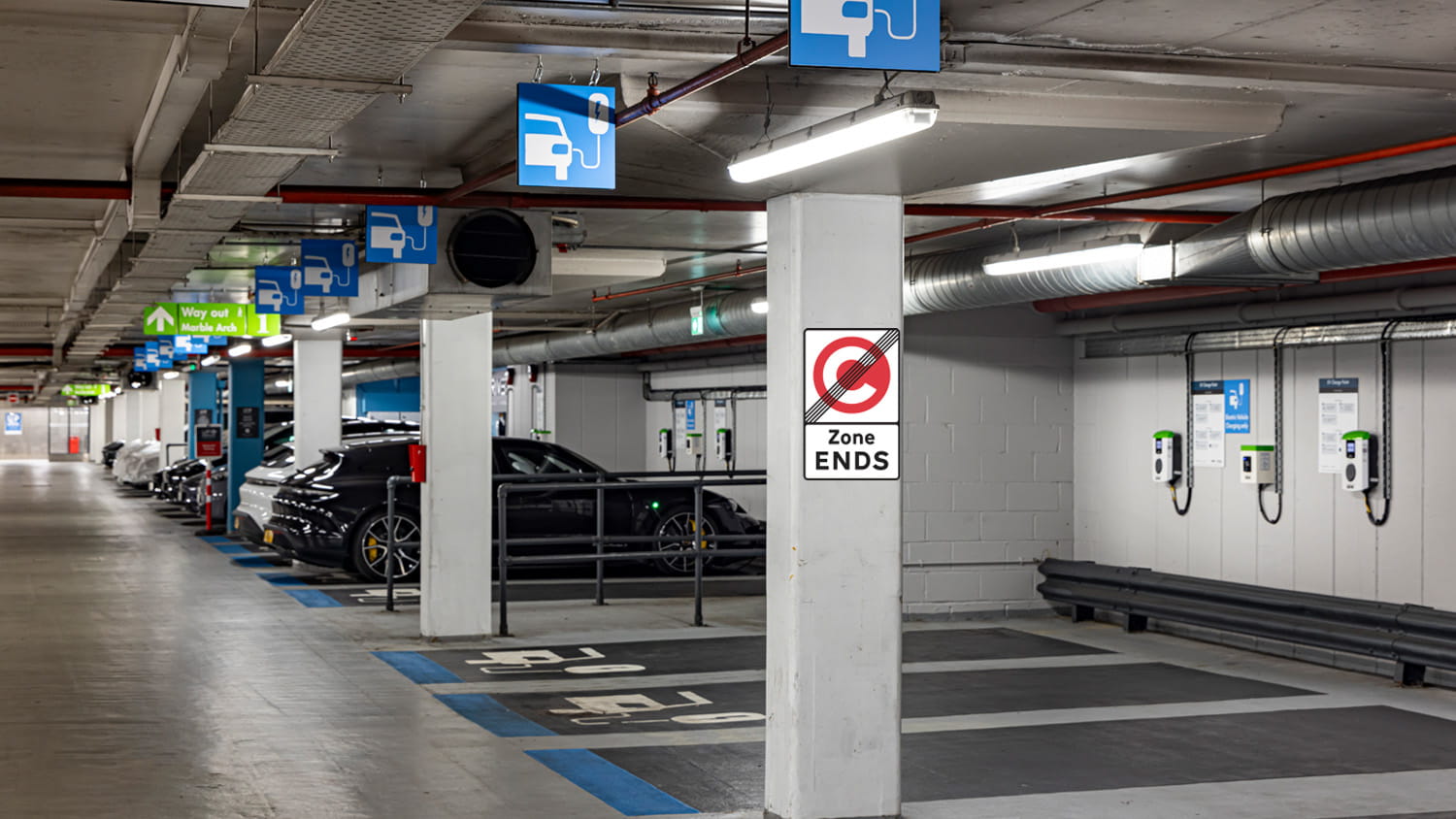
As noted previously by Q‑Park, moving parked cars underground “would free up huge amounts of public space above ground for green parks, playgrounds, bar terraces or… a broad and safe bicycle lane,” reducing car use naturally and making cities more welcoming and healthier.
This aligns with Sustainable Urban Mobility Plans (SUMPs) across major UK and Irish cities, which emphasise:
- High‑quality walking and cycling networks, to stimulate active travel
- Shared mobility and smart traffic routing
- Reduced congestion through mobility hubs and P+R solutions
Cities like London and Dublin explicitly link car reduction to “more liveable inner‑city neighbourhoods,” combining infrastructure investment with sustainable mobility initiatives.
B. Cleaner, safer, more efficient movement
Unnecessary driving — especially cars circling for on‑street parking — increases emissions, noise, and safety risks. We also know that these “thousands of reverse parking manoeuvres a day… irritate waiting traffic and above all, are unsafe for cyclists and pedestrians.”
Society benefits when:
- Traffic noise decreases
- Air pollution drops
- Road safety improves, especially around schools and dense residential areas
- Emergency services and essential logistics move more efficiently
Instead of the previous Hasselt example, the UK and Ireland provide their own equivalents. For instance, London’s School Streets, Low Traffic Neighbourhoods (LTNs), and 20mph zones, as well as Dublin’s College Green traffic restrictions and expanded pedestrianisation, illustrate how targeted access regulations dramatically improve safety and urban quality of life.
C. Political sensitivity and the need for balanced solutions
In many cities, car‑free policies become flashpoints during election cycles — such as planned traffic‑reduction expansions in various UK and Irish urban centres. Nonetheless, these policies reflect long‑term planning priorities: sustainability, mobility equity, and future‑proofing city centres.
2. The human story: why individuals often react negatively
Even when societal benefits are clear, people respond emotionally — and often defensively — when their mobility habits are challenged.
A. Change feels personal
For many, cars are tied to:
- Independence
- Convenience
- Caregiving responsibilities
- Commuting reliability
- Physical limitations
We’ve learned that, “many people who simply need cars… are more likely to leave a car‑less city than stay in it.” A car‑free city may be a societal utopia but can feel like a personal dystopia when alternatives are not yet perceived as viable.
B. Policy impacts are felt before benefits are seen
Urban Vehicle Access Regulations (UVARs), emission‑free zones, and circulation restrictions — such as London’s various access‑controlled areas — improve collective outcomes but introduce new rules, exemptions, and perceived barriers. Individuals often experience:
- Increased complexity (“Can I drive here today?”)
- Fear of losing access
- Habit disruption
- Emotional frustration at feeling “forced” to change
Resistance is less about cars and more about control, personal freedom, identity, and predictability.
C. Emotional reactions are a normal part of transition
When rules shift from abstract policy to daily reality, emotional discomfort rises before it settles. This is an expected and manageable part of societal transformation. And, don’t forget, if you push out the car, young families and elderly residents may leave. Practical workers such as service‑sector employees, shift workers, and care‑givers may leave too. A new type of segregation may emerge, not by ethnicity or income, but by lifestyle and type of work — raising the risk of polarisation and isolation in certain neighbourhoods.
3. Bridging the gap: how society and individuals can coexist in a car‑reduced future
A. Stop framing cars as the problem, organise them better (don’t ban them, hide them)
At Q‑Park, we truly believe that cities and cars “need each other,” and that coexistence is not just possible but optimal when parking and mobility strategies are smartly integrated. As the EU Commissioner Apostolos Tzitzikostas said, “Parking is not the problem, parking is part of the solution.”
The shift should be from restriction to reorganisation, where:
- Cars go underground or to mobility hubs
- Above‑ground space prioritises people
- Traffic flows become more efficient
- Alternatives (cycling, e‑mobility, public transport) become attractive, not punitive
B. Offer positive choices, not negative limitations
A crucial insight is the need to empower citizens by offering people suitable and high‑quality alternatives so they can make a positive choice… instead of forcing them into a negative choice against the car.
This includes:
- Suitable and reliable public transport (available prior to introducing car‑free regulations)
- Safe cycling networks
- Last‑mile e‑mobility options
- Affordable P+R systems including high‑quality last‑mile transport
- Clear, accessible parking policies
C. Communicate honestly and empathetically
Messaging must balance societal logic with the emotional reality. We’ve experienced the importance of ensuring stakeholders feel comfortable with the narrative and tone. Strong communication acknowledges:
- Yes, change is disruptive.
- Yes, some people rely heavily on cars.
- Yes, the city will ultimately become more enjoyable for all — if transitions are managed well.
Conclusion: a liveable city requires both vision and empathy
Car‑free or car‑reduced zones are not anti‑car; they are pro‑liveability.
They reflect a societal understanding that the way we currently use urban space is unsustainable. The logic is sound, supported by updated mobility strategies and real‑world examples from London and Dublin. Yet individuals inevitably feel the impact long before they see the benefits — and their emotional responses deserve to be recognised and addressed.
Creating a liveable city requires more than regulations; it requires listening, communicating, and designing mobility ecosystems that respect both societal goals, economic necessities and human needs.
With thoughtful planning and empathetic engagement, cities can become truly liveable — and remain places where people want to live, work, and enjoy life.
About Q-Park
Q-Park is a leading off-street parking infrastructure owner and operator with well-managed commercial parking facilities across seven western European countries. We operate off-street parking spaces we own, have under concession or with long-term lease contracts from public and private landlords. We focus on off-street purpose-built parking facilities at strategic locations. We operate more than 5,300 parking facilities comprising over 1 million parking spaces in the Netherlands, Germany, France, Belgium, United Kingdom, Ireland and Denmark. Based on publicly available industry data for our competitors, we estimate that we are a top three player, based on the estimated off-street revenues, in all the countries in which we operate. Q-Park also has numerous Mobility Hubs which provide access to a variety of mobility solutions. We house and support a range of activities from last mile logistics, electric vehicle charging, micromobility and car sharing services which help support urban accessibility, sustainability and liveability.